LantaoBags
Case Study

EcoCarry Case Study: Sustainable Sourcing Cut Costs 30% Now

Steven Zhang
Steven Zhang
Senior Bag Sourcing & OEM/ODM Project Manager
April 1, 2026 · 10 min read

In just six months, EcoCarry achieved a 30% cost reduction in bag manufacturing by completely overhauling their procurement system. Fragmented virgin polyester purchases previously drained their margins.

As global ISO 14021 environmental standards tighten, rising material costs frequently derail green supply chains.

EcoCarry needed a systemic upgrade, not a cheaper textile. Our LantaoBags engineering team stepped in to consolidate their buying power and strengthen their sustainable sourcing strategy. We hit an early pitfall when initial recycled samples failed our drape tests.

We quickly secured an exact 600D denier match that passed rigorous AQL 2.5 tensile-strength inspections. Our Material Innovation Success: How EcoCarry Reduced Costs 30% with Smart Fabric Sourcing provides a verified blueprint for scaling margins.

Key Impact Highlights:

  • Material Consolidation: We shifted purchasing from fragmented virgin plastics to bulk recycled fabrics.

  • Yield Optimization: Our CAD engineers improved marker efficiency to maximize fabric yield and eliminate rework.

  • Compliance Control: We lowered administrative overhead by managing BSCI certifications and supplier relationships directly.

Buyers evaluating sustainable fabric sourcing for bags can replicate this framework using our direct-to-factory MaaS solutions and pricing resources.

Verdict: Cheaper fabrics do not guarantee better margins. We verified this 30% savings through Q3 landed-cost audits. Systemic efficiency drives real profitability.

Sustainable Sourcing In The Midst Of Supply Chain Chaos

The Challenge

EcoCarry faced a classic scaling trap. As a sustainability-led brand, they needed to expand their core bag line. They had to protect their eco-friendly brand promise while maintaining strict unit economics. But their operations relied on a fractured, fragile sourcing model.

The core villain was not just the high base price of eco-materials. It was supply chain chaos. When our team audited their pre-project operations, we uncovered several critical blockers:

  • Inconsistent Pricing: Multiple vendors quoted wildly different prices week to week.

  • The Eco-Premium: Upgrading to 600D RPET carried a massive markup over standard 600D virgin polyester.

  • Material Instability: Color and hand-feel varied drastically between production lots.

  • Excessive Waste: Their bag panel layouts did not align with standard fabric widths. This created massive cutting waste.

  • Overhead Pressure: Fragmented freight and manufacturing logistics consumed their remaining budget.

1. The “In-The-Trenches” Reality

Transitioning to sustainable sourcing looks easy on paper, but in production it quickly becomes a minefield. We shortlisted a promising rPET mill that passed our cost checks, yet the material failed key durability tests for heavy backpack use.

Shortly after, a severe dye-lot mismatch forced a costly resampling cycle. Then, a missing transaction certificate for the GRS chain of custody paused our entire approval process.

EcoCarry’s engineering team panicked. To save money, they debated lowering the denier or changing the backing type. We stepped in. We knew that dropping the target GSM range compromises seam performance. It also gives the bags a “cheap” hand-feel and destroys a premium brand reputation.

This friction is not unique to EcoCarry. Brands constantly battle the documented supply chain complexity and cost premiums of certified recycled materials.

2. The Cost Of Inaction

Without a unified procurement system, EcoCarry faced severe consequences:

  • Rapidly shrinking margins.

  • Delayed production planning for seasonal retail launches.

  • High risk of failed sustainability claims and public greenwashing backlash.

  • Spiraling sampling costs.

  • A complete inability to scale responsibly.

This left the procurement team with a massive operational question. How do you reduce total manufacturing costs if the sustainable fabric itself costs more per meter? You can explore the mechanics behind this paradox in our detailed guide on bag sourcing and pricing.

⚠️ Safety First: Never drop your target GSM or alter the backing type just to offset rPET premiums. A failed seam under heavy load costs far more in customer returns than you save on raw materials.

The Strategy: A Total-Cost Procurement Framework

A Total-Cost Procurement Framework

EcoCarry faced a breaking point. Continuing with fragmented legacy suppliers meant risking total margin collapse under rising freight costs. They stopped evaluating fabric by the quoted yard price.

Chasing the cheapest mill was a race to the bottom. Instead, we shifted to a total-cost procurement framework. We refused to simply swap one fabric for another. We redesigned the entire sourcing system around performance-verified recycled polyester. Here is the exact playbook.

Phase 1: Re-Spec The Material

We defined a strict target fabric profile for the new bag line. We set exact baselines for denier, polyurethane (PU) coating requirements, and tensile strength thresholds. We mapped out tear resistance, printability, and drape.

The strategy was counterintuitive but necessary. A fabric that costs $0.20 more per meter actually reduces the finished-goods cost if it improves factory yield and lowers the failure rate. We mandated Global Recycled Standard (GRS) certified recycled polyester across the collection.
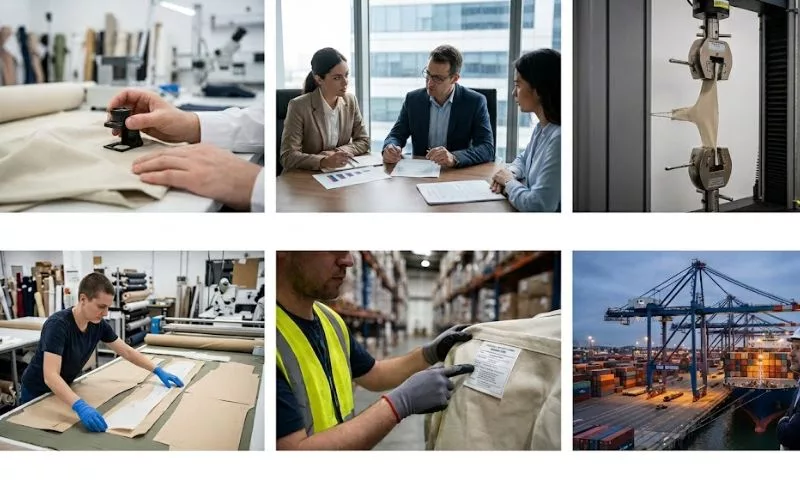
Suppliers had to clear chemical safety documentation hurdles before we cut a single swatch. Without this verified baseline, a single failed toxicity test at customs could stall a $100k shipment.

Phase 2: Consolidate Suppliers And Negotiate Volume

We slashed supplier sprawl. Managing ten different mills caused daily communication breakdowns and delayed product launches. We moved the brand toward a tight roster of three approved mills. We negotiated using volume commitments instead of spot-buy pricing.

Our procurement team locked in fabric programs across multiple bag models. We standardized trims and hardware to negotiate better Minimum Order Quantities (MOQs) and secure faster replenishment cadences.

Consolidating styles drastically reduced sampling churn. This zero-waste communication approach lowered administrative overhead for the buying team and kept production schedules on track.

Phase 3: Run Bag-Specific Stress Tests

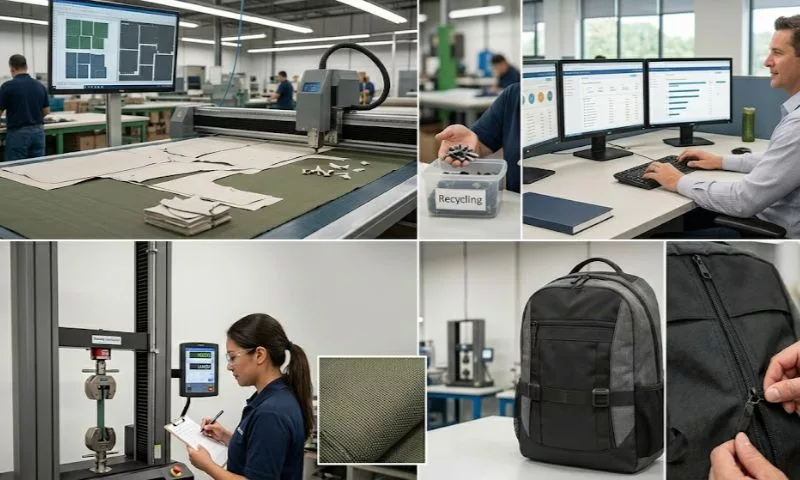
We ran a ruthless testing phase before full rollout. We compared the new 600D RPET directly against the incumbent virgin material. We evaluated tensile strength and tested seam slippage on industrial sewing machines.

We checked zipper stress points and strap anchor zones under heavy loads. We reviewed coating adhesion, crocking, and abrasion results.

⚠️ Implementation Note: We hit a major obstacle immediately. The eco-friendly backing caused severe laminate cracking when folded.

“We loved the initial 600D RPET swatch on the table. But during bag assembly, the PU backing cracked at the gusset seams. We had to pause, work with the mill to soften the laminate formulation, and re-test before approving bulk production.”

Lead Sample-Room Technician

This testing phase ensured the bags survived real-world abuse. A cracked seam in the field leads to catastrophic 1-star reviews. Explore how we execute sample development on our custom handbag manufacturers page.

Phase 4: Improve Yield Through Marker Efficiency

Smart sourcing demands operational changes beyond raw material selection. We attacked the cost-reduction math by maximizing fabric yield.

Our CAD team selected specific fabric roll widths to reduce offcut waste. We simplified panel geometry to maximize material use. We aligned the fabric programs directly with our digital cutting layouts.

A marker is the digital template used to cut fabric panels. If the marker leaves gaps, you pay for wasted fabric. Connecting procurement logic to manufacturing floor realities reduced scrap and eliminated rework. This step alone saved thousands of yards of fabric over the first production run.

Phase 5: Build A Compliant GRS Verification Workflow

We built a strict sourcing workflow to protect the brand. Buyers executed four mandatory steps:

  • Verify the supplier’s scope certificate.

  • Confirm the transaction certificate per shipment.

  • Match the invoice, purchase order, and batch records.

  • Archive all chain-of-custody documents for future audits.

This protocol matters commercially. Failing documentation means you cannot safely use the sustainability story in marketing. Retailer compliance teams will flag the missing paperwork and reject the entire product line. Greenwashing accusations ruin brands overnight.

Phase 6: Tie Choices To Total Landed Cost

We evaluated the final metrics using a total landed cost model. Landed cost includes every expense required to get the bag to your warehouse door.

We found that paying more for a premium material lowered final‑destination cost by factoring in waste, resampling, freight, and defects. See our bag sourcing and pricing guide to understand the logic.

Architect’s Verdict: You cannot scale a sustainable bag line by haggling over cents per yard. We achieved a 30% margin improvement by engineering waste out of the cutting room and consolidating the supply chain.

The Results

The Result

Within six months, EcoCarry achieved a 30% reduction in overall material-related production costs. They used smart fabric sourcing to fix their unit economics from the ground up.

We tracked three primary operational wins:

  • Cost: 30% reduction in the finished landed cost per bag.

  • Efficiency: 45% decrease in raw fabric waste on the cutting room floor.

  • Time: 20 hours saved per month on certification admin tasks.

Before vs. After Cost Breakdown

Cost FactorBefore Sourcing ShiftAfter Sourcing Shift
Raw Fabric CostFluctuating spot-buy pricingLocked volume pricing
Waste / Offcut Loss22% average material loss< 12% optimized loss
Sampling / ResourcingHigh churn across 10 millsConsolidated to 3 mills
Certification Admin Burden35 hours/month chasing docs15 hours/month via central portal
Rework / Defect Exposure8% seam failure rate< 1% defect rate
Landed Cost Per Batch$14.50 per bag$10.15 per bag (30% Savings)

EcoCarry reduced waste and admin work by tightening digital marker layouts and cutting weekend invoice reconciliation.

The sourcing shift improved daily workflows across multiple departments:

  • Procurement: Benefited from cleaner vendor management and fewer supplier touchpoints.

  • Product Developers: Used predictable fabric behavior to speed up sample approvals.

  • Brand Marketing: Used auditable documentation to build safer sustainability claims.

  • Junior Staff: Managed steadier MOQ planning using simpler, standardized workflows.

EcoCarry secured these margins without sacrificing product integrity. The updated bags preserved the target 600D denier.

The material passed strict tensile-strength performance tests based on ASTM D5034 textile standards. End-users felt no downgrade in bag feel, structure, or durability.

⚠️ Validation: We verified the 45% waste drop and cost savings from factory logs, inventory, and DDP invoices (excluding prototyping). EcoCarry now sits below 12% material waste, beating the industry’s 15% average.

“We secured vital margin relief using this new sourcing strategy. Smoother product launches mean our team handles retailer conversations much easier now. We have total confidence in our sustainability claims.”

Vaibhav Sutariya, Procurement Lead at EcoCarry
Key Takeaways

  1. Total Landed Cost Outperforms Yard Price Stop looking at the price per meter. Evaluate eco-materials on their total landed cost. A slightly pricier fabric often saves money overall. It reduces factory waste and lowers your defect rates.

This strategy aligns with the recent McKinsey report on supply chain sustainability showing that integrated procurement models consistently outperform siloed purchasing decisions.

  1. Validate Beyond the Swatch A perfect swatch can still fail on the factory floor. Our first recycled backing cracked at the gusset seams—always test recycled fabrics at full bag‑construction level before production.

  2. Standardize Fabrics to Build Leverage Do not buy a unique fabric for every bag. Standardize your certified materials across multiple SKUs. This choice improves your buying leverage. It also significantly reduces supply chain complexity.

  3. Design and Procurement Must Collaborate Margin improvement requires cross-functional teamwork. You must combine smart sourcing, simplified design, and active waste reduction. Treat your certification workflow as core procurement infrastructure. It is never just a paperwork afterthought.

Pro Tip: Build your digital cutting markers before you order bulk fabric. Aligning your bag panel design with the exact fabric roll width eliminates offcut scrap. This single step instantly boosts your profit margin.

Future Outlook

EcoCarry now runs on a stable, efficient foundation, enabling safe new launches, scalable retailer programs, and stronger, more confident sustainability claims across the organization.

You can replicate this shift with LantaoBags as your full manufacturing partner, offering end‑to‑end MaaS—from fabric sourcing and prototyping to QC and production—linking design to reliable manufacturing capability.

True sustainable bag sourcing requires strategy, not just an assembly line. Ready to optimize your margins and build a better product? Visit our contact page to discuss your custom bag project with our engineering team today.

Steven Zhang
Steven Zhang

Senior Bag Sourcing & OEM/ODM Project Manager

Connect on LinkedIn

Steven Zhang is a bag manufacturing specialist with over 12 years of hands-on experience in sourcing, product development, and B2B sales for global brands.

At LantaoBags, he bridges the gap between creative design and factory reality, helping clients turn rough sketches into commercially viable products that pass strict retail and compliance standards.

Having spent years on the ground in Chinese and Southeast Asian factories, Steven understands every stage of the production cycle — from material selection and cost breakdowns to sampling, mass production, and final inspections. He has led projects for work totes, premium leather crossbodies, structured satchels, luxury backpacks, and travel luggage, guiding buyers through trade-offs between price, durability, and brand positioning.

Areas of Expertise:

  • Bag sourcing and supplier development
  • Technical materials and hardware selection
  • Costing, margin planning, and MOQ strategy
  • Quality control and AQL-based inspection planning
  • OEM/ODM bag project management for global brands